
The Proactive vs. Reactive Battle: Rethinking Crisis Communications

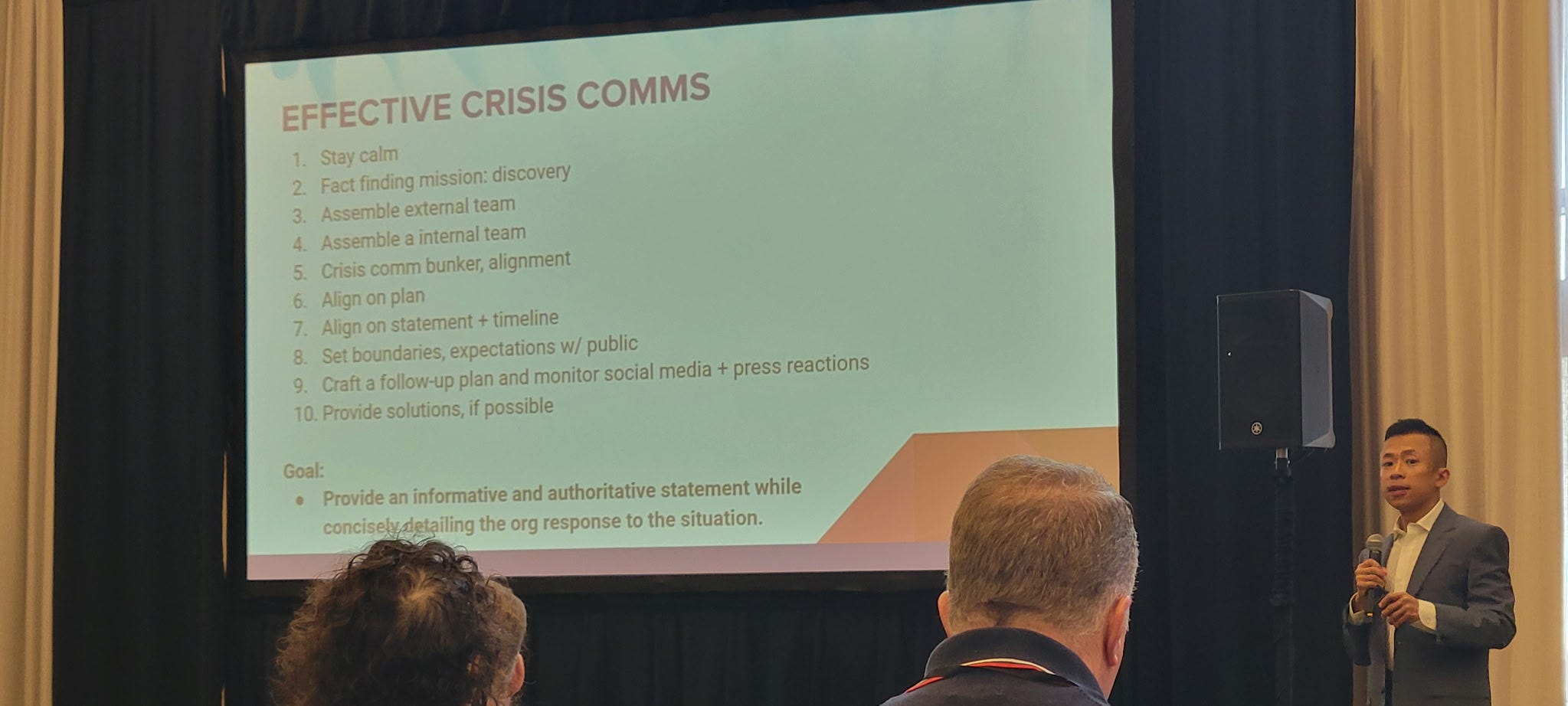
The term "crisis communications" often evokes images of fire drills: a frantic scramble to issue a statement, manage press inquiries, and put out a social media fire. While reactive response is a critical component, this view misses the most important part of the discipline: proactive issues management. I was reminded of this recently when I had the privilege of giving a talk on the subject to a room full of LGBTQ+ elected officials, where we discussed exactly how to navigate these volatile landscapes.
In today's interconnected landscape, an effective communications leader is not just a spokesperson for a disaster. They are a strategic navigator who identifies risks on the horizon, prepares the organization for impact, and, in doing so, often prevents a crisis from escalating in the first place.
Here's how to shift your perspective from reactive damage control to proactive, strategic resilience
1. Issues Management is Not Crisis Communications
This distinction is fundamental. Issues management is the process of identifying, monitoring, and mitigating potential problems before they become full-blown crises. It's about spotting a concerning trend in public sentiment, a legislative change, or an operational vulnerability and developing a preemptive plan. By contrast, crisis communications is the tactical response when that issue explodes into public view. The most successful communications teams operate in a perpetual state of issues management, making their crisis response seem effortless because it was meticulously planned.
2. The Narrative Precedes the Event
A crisis is a test of an organization's pre-existing reputation. In a volatile environment, the first few hours are critical. The speed and quality of your initial response can either contain the issue or turn it into a reputation-defining event. Strategic communicators work to own the narrative from the very beginning. This means having pre-approved holding statements, a clear chain of command, and a single, honest voice. Waiting for perfect information often means losing control of the story.
3. Stakeholders Dictate Your Strategy
There is no one-size-fits-all crisis response. A key part of the strategic process is a deep understanding of your stakeholders—employees, customers, investors, regulators, and the media. Each group has different information needs and varying degrees of trust. Your communication plan must be segmented and tailored to address each audience directly, transparently, and with empathy. A message to a regulator will differ from one to an employee, but the core truth must remain consistent across all channels.
4. The Strategic Role of Video in Crisis
In a world of short attention spans and social media virality, video content is not just an option—it's a necessity. It is the most effective tool for humanizing your message and conveying sincerity, especially when trust is on the line. A brief, authentic video statement from a company leader can cut through noise, address misinformation directly, and show empathy in a way that a written statement cannot. Pre-recorded assets can be planned for predictable scenarios, while a live video can provide an immediate and unfiltered connection. Used correctly, video transforms your crisis communication from a sterile press release into a genuine, human response.
Key Takeaways
Be Proactive: The goal is to move from a reactive "firefighter" to a proactive "urban planner," constantly scanning the horizon for potential issues.
Speed & Honesty Win: In a crisis, the absence of a message is a message. Establish a clear, truthful narrative immediately to prevent others from defining the story for you.
Know Your Audience: Segment your communications for each stakeholder group. A single, blanket message is rarely effective and can erode trust.
Leverage Video: Use video as a strategic tool to convey authenticity and control the narrative, particularly during an unfolding crisis.
Ultimately, the mark of a top-tier communications strategist is not the ability to react well under pressure. It's the foresight and discipline to minimize the impact of that pressure long before it arrives.